Abstract
Their regenerative capabilities have made planarians a well established model organism for stem cell research: Leveraging an abundant population of adult pluripotent stem cells, the so-called neoblasts, planarians can re-generate any part of their body upon injury. Recent findings have shown that the neoblast population does not constitute a heterogeneous group of pluripotent stem cells, but rather a heteroge- neous population of stem cells ranging from pluripotent to more specialized cells closer, and potentially pre-committed, to certain differentiated cell types. The exact mechanisms regulating maintenance and differentiation of neoblasts, however, remain poorly understood. Here, we present our findings from RNAi perturbation experiments to knock down, in regenerating and intact planarians, Smed-cpb-3, a transcriptional co-activator that regulates gene expression by several means, including acetylating histones and other proteins. This perturbation results in the formation of a normal-sized blastema, but fails the regeneration of eyes, neurons and other terminal differentiated cell types. Instead, these blastemas are enriched in neoblasts. Thus, we postulate that cbp-3 is essential for terminal differentiation of progenitor cells. To elucidate which cell types are affected and through what cbp-3 target genes, we performed RNA-seq (bulk and single-cell) in cbp-3 RNAi animals. Here, we present our findings regarding over- and under-represented cell types/populations and (cell type specific) differential gene expression analyses.
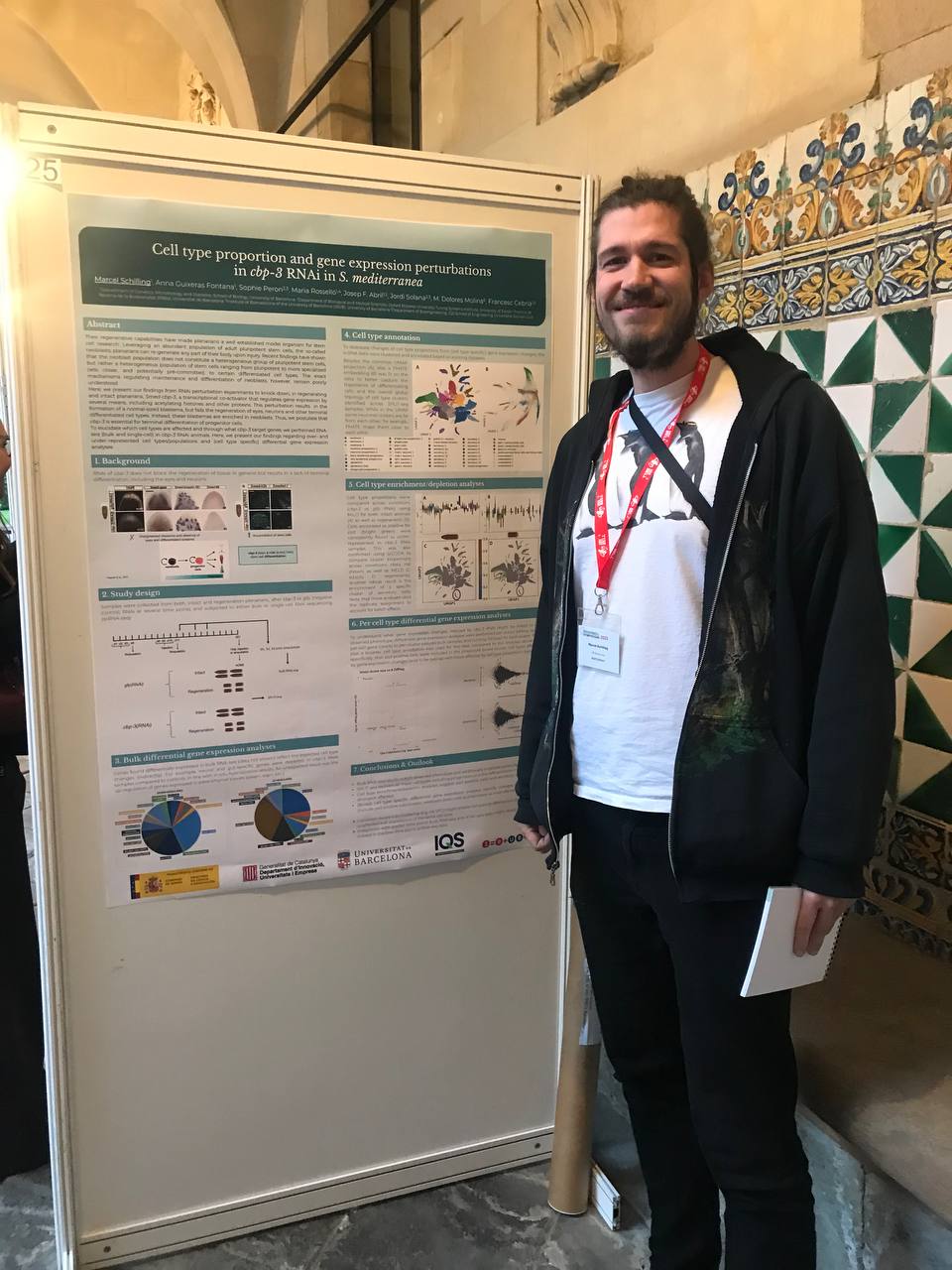
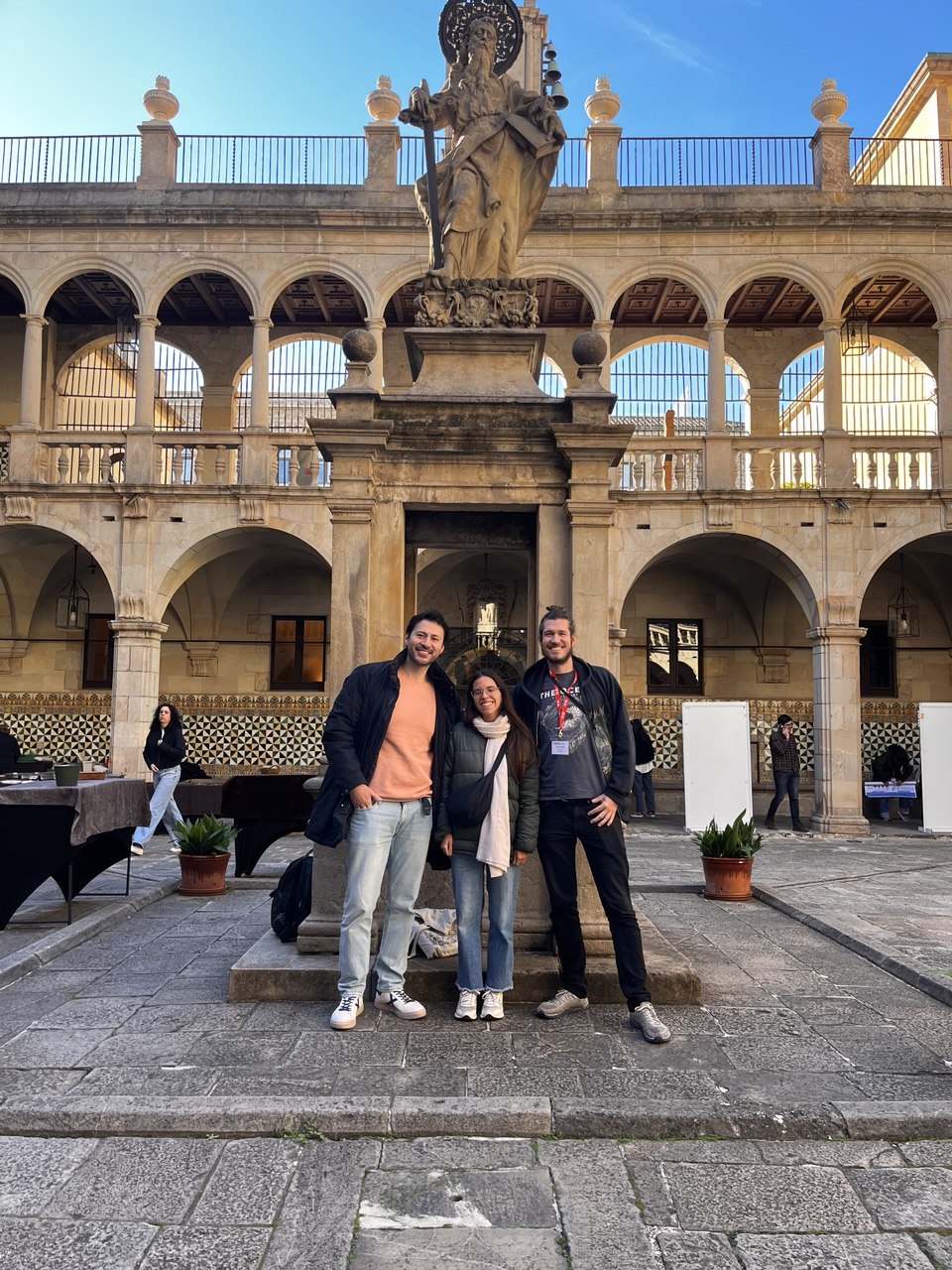
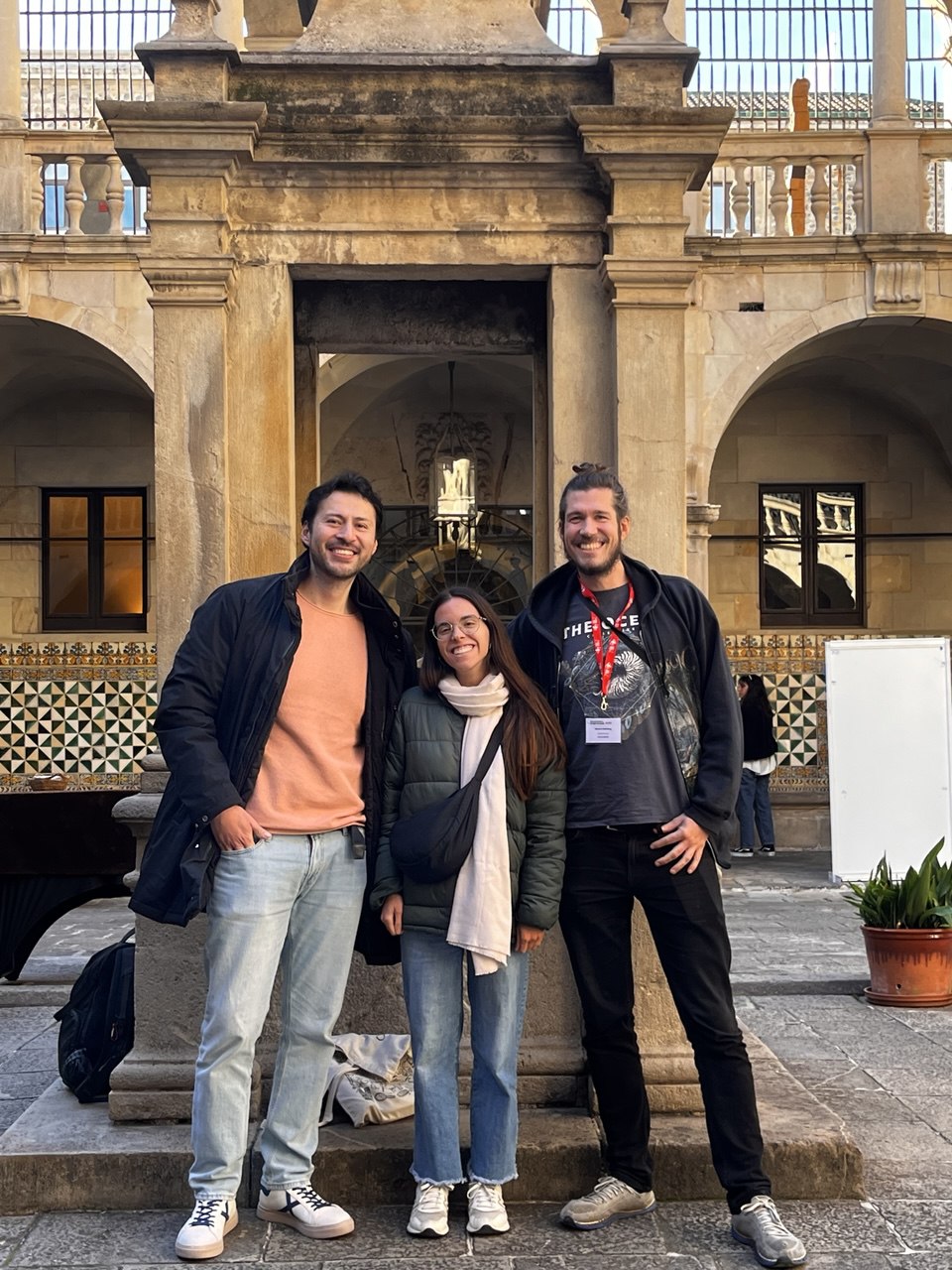
After giving a talk at the first and presenting a poster at the second edition of this local symposium, I returned with another poster on a new project for the 2025 edition. As in previous years, the talks, both invited and selected, were interesting, a few of them even excepptionally so. Personally, it was a nice opportunity to catch up with former colleauges and discuss my latest endevours with them. While I am happy that I was quite busy with my poster, it meant missing quite a few of the other posters though. The ones I did manage to see were great. I enjoy talking about details and brainstorming directly with the people doing the work.
Thanks to everyone involved in making this happen. I would be happy to return for another edition in 2026.